Understanding HVAC Short Cycling
Definition and Causes of Short Cycling
Short cycling is a term used to describe the phenomenon where an HVAC system turns on and off more frequently than it should, failing to complete a full heating or cooling cycle. This behavior can be a symptom of various underlying issues, but one of the most significant causes is improper HVAC sizing. When an HVAC unit is too large for the space it is meant to condition, it heats or cools too quickly, causing it to shut off before adequately regulating the temperature.
Other causes of short cycling can include problems with the thermostat, dirty air filters, refrigerant issues, or malfunctioning components. However, the focus of this article will remain on how proper HVAC sizing can prevent these disruptive cycles, thereby enhancing the overall performance and efficiency of the system.
Impact of Short Cycling on Home Comfort
Home comfort is fundamentally about maintaining a consistent and pleasant indoor environment. When an HVAC system short cycles, it can lead to significant temperature fluctuations throughout the home. For example, if a heating unit turns on and off every few minutes, certain areas may become too hot while others remain cold, creating an uncomfortable living situation. This inconsistency can be particularly problematic in larger homes or those with open floor plans, where different zones require careful temperature management.
Energy Consumption and Cost Implications
Short cycling not only affects comfort but also leads to increased energy consumption and higher utility bills. When the unit operates inefficiently, it consumes more electricity or gas in a shorter time frame. For instance, according to the U.S. Department of Energy, a poorly sized HVAC system can increase energy costs by up to 30%. Over time, the financial ramifications can be substantial, resulting in thousands of dollars spent on unnecessary energy consumption and frequent repairs due to excessive wear and tear on the system.
The Importance of Proper HVAC Sizing
How Sizing Affects System Efficiency
Proper HVAC sizing is crucial for ensuring system efficiency. The size of an HVAC unit is typically measured in British Thermal Units (BTUs), which represents the amount of heat needed to raise the temperature of one pound of water by one degree Fahrenheit. A correctly sized unit will meet the heating or cooling demands of the space without excessive cycling.
For example, a 3-ton air conditioning unit (approximately 36,000 BTUs) may be ideal for a 1,500 square foot home in a temperate climate. If this same unit is installed in a smaller home of 1,000 square feet, it may cool the space too quickly, leading to short cycling. Conversely, a unit that is too small will struggle to maintain the desired temperature, leading to over-exertion and increased wear on the components.
Calculating the Right Size for Your Home
To accurately determine the right size for an HVAC system, several factors must be considered, including:
- Square Footage: The total area of the home plays a significant role in sizing.
- Insulation Quality: Homes with good insulation require less heating and cooling.
- Window Size and Orientation: Larger windows or those facing direct sunlight will impact cooling needs.
- Ceiling Height: Higher ceilings require more airflow to maintain comfort levels.
- Climate Zone: Regional climate greatly affects the heating and cooling load.
A Manual J load calculation is the industry standard used by HVAC professionals to accurately size systems based on these factors. This calculation ensures that the right balance is struck between comfort and efficiency, ultimately preventing the short cycling issue.
Common Misconceptions About HVAC Sizing
There are several misconceptions surrounding HVAC sizing that can lead to improper installations:
- “Bigger is Better”: Many homeowners believe that a larger system will provide better comfort. However, oversized units can lead to short cycling, while undersized systems will struggle to maintain temperature.
- “All Homes are the Same”: Each home has unique characteristics that influence HVAC needs. A one-size-fits-all approach is often ineffective.
- “Once Installed, No Further Adjustments are Needed”: Post-installation adjustments may be necessary to optimize system performance, especially if the home undergoes renovations or changes in occupancy.
Signs of Inadequate HVAC Sizing
Frequent On/Off Cycling Indicators
One of the most noticeable signs of inadequate HVAC sizing is frequent on/off cycling. If you observe your system turning on and off every few minutes, it's an immediate indication that your HVAC unit may be too large for your home. This cycling behavior can lead to increased energy consumption and rapid wear on the system components, necessitating costly repairs or replacements.
Temperature Fluctuations Within the Home
Another clear indicator of incorrect sizing is the presence of temperature fluctuations within your home. If certain rooms are consistently warmer or colder than others—even when the thermostat is set to a specific temperature—it suggests that the HVAC system is not effectively managing the airflow throughout the home. These inconsistencies can be traced back to improper sizing or installation issues.
Unusual Noises from the HVAC System
Unusual noises such as banging, clanking, or excessive humming can also signal inadequate sizing. An oversized unit may struggle to operate smoothly, leading to mechanical issues that create noise. For instance, if the compressor is constantly engaging and disengaging, you may hear loud sounds as it struggles to maintain the desired temperature.
Preventing Short Cycling Through Proper Installation
The Role of Professional HVAC Installation
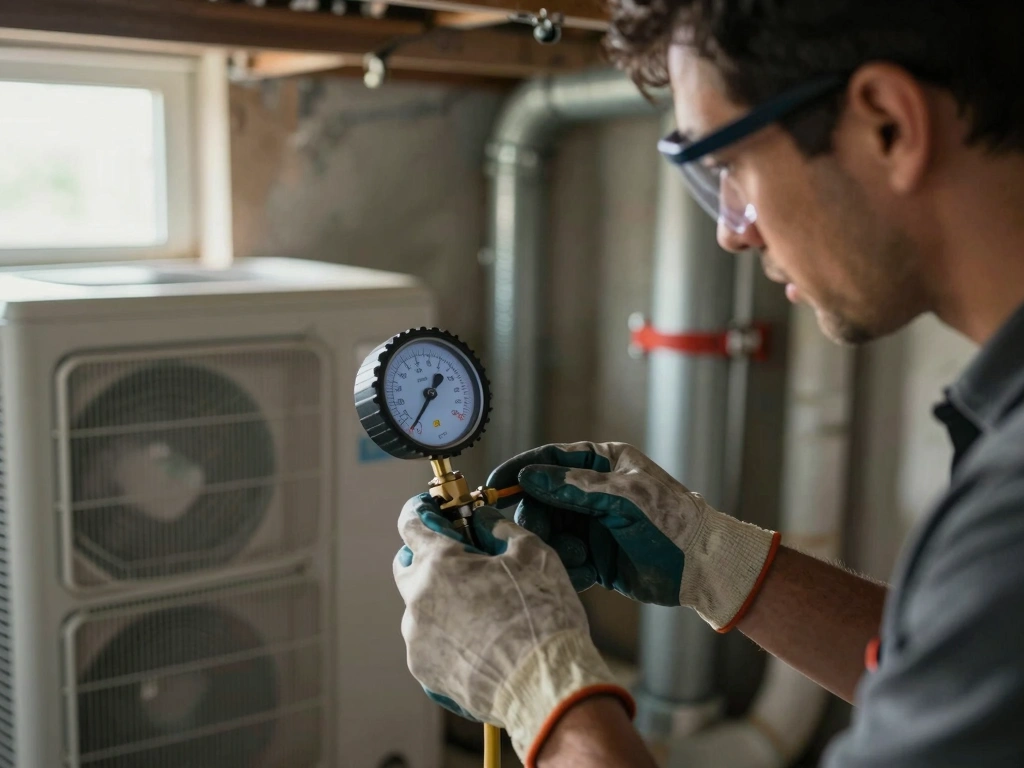
Professional installation is paramount in preventing short cycling issues. An experienced HVAC technician will conduct a thorough assessment of your home and perform a Manual J load calculation to ensure the system is properly sized. They will also evaluate the placement of the unit, ductwork, and other factors that can influence performance. A proper installation can mitigate the risk of short cycling and contribute to long-term system efficiency.
Importance of Ductwork Design and Size
The design and size of ductwork also play a crucial role in the HVAC system's ability to function effectively. If the ducts are too small or poorly designed, they can restrict airflow, leading to inadequate heating or cooling. This restriction can cause the system to work harder, resulting in short cycling. For example, a home with a properly sized 3-ton air conditioning unit may still experience short cycling if the ductwork is inadequate, diminishing the system's overall performance.
Regular Maintenance to Ensure Optimal Performance
Regular maintenance is essential to keep your HVAC system running efficiently and to prevent short cycling. This includes changing air filters, cleaning ducts, and ensuring that all components are functioning correctly. A well-maintained system is less likely to experience short cycling issues, as it will be better equipped to regulate temperature effectively. Scheduling annual inspections with a licensed HVAC professional can help catch potential problems early and ensure that your system remains in peak condition.
Long-Term Benefits of Proper HVAC Sizing
Increased System Longevity and Reliability
One of the most significant benefits of proper HVAC sizing is the increased longevity and reliability of the system. A unit that operates efficiently will experience less wear and tear over time, resulting in a longer lifespan. For instance, a well-sized and maintained HVAC system can last 15 to 20 years, whereas an oversized unit may fail within just a few years due to the stress of frequent cycling.
Enhanced Energy Efficiency and Cost Savings
Properly sized HVAC systems are inherently more energy-efficient, leading to substantial cost savings on utility bills. As mentioned earlier, an oversized system can increase energy costs by up to 30%. By investing in the correct size unit, homeowners can significantly reduce their energy consumption and lower their monthly expenses. For example, a homeowner who spends $200 per month on heating and cooling may save up to $60 monthly simply by ensuring their HVAC system is correctly sized.
Improved Indoor Air Quality and Comfort Levels
Finally, the right HVAC sizing contributes to improved indoor air quality and comfort levels. A well-functioning system will effectively filter and circulate air, reducing allergens and pollutants in the home. Moreover, consistent temperatures help create a comfortable living environment, which is essential for overall well-being. Homeowners can enjoy a more pleasant indoor atmosphere without the discomfort of temperature fluctuations or excessive noise from short cycling.